Natural V’s Man-Made Materials in the creative industry
In today’s creative industries — from fine art to product design, fashion to architecture — material choices are no longer just aesthetic or technical decisions. They’re statements. They reflect values around sustainability, craft, innovation, and the relationship between humans and the built or natural world.
In the twentieth century, artists began incorporating everyday objects into their work and experimenting with the same material in very different ways, often achieving very different results. This period marked a shift toward innovative uses of materials, expanding the possibilities of artistic expression.
One of the most fundamental decisions a maker can face is whether to use natural materials (like wood, clay, stone, or wool) or man-made materials (such as resin, acrylic, plastic, or composite metals). Each has its strengths. Each carries meaning. Paintings and other art forms utilize different qualities and particular qualities of materials—such as texture, hardness, or fragility—to create unique effects. The choice of paint, or any other matter, can significantly influence the outcome and meaning of the work. And each is shaping how we experience and interpret the creative world around us.

What Are Natural Materials?
Natural materials are derived from the earth or living organisms with minimal processing. They’ve been used in creative practice for thousands of years and include:
- Wood
- Clay
- Stone
- Cotton, wool, leather
- Bamboo, cork, shell, bone
Natural materials tend to carry with them a sense of history, placeand process. They weather and change. Their imperfections are often celebrated as part of their character.
Art history is filled with examples of artists relying on natural materials to express cultural and personal ideas.


What Are Man-Made Materials?
Man-made (or synthetic) materials are human-engineered. They include:
- Plastic and acrylic
- Concrete
- Fibreglass
- Resin
- Foams and polymers
- Carbon fibre and alloys
These materials are often developed for performance, durabilityand precision. They are typically more consistent and may offer properties that natural materials cannot — such as being lightweight, waterproof, or highly malleable.
New research continues to expand the possibilities of man-made materials in creative industries.
In Design: Function vs Feeling
In industrial and product design, material choice is often driven by function — but the emotional or sensory impact is just as important. The ability of a material to meet both functional and emotional needs is a key consideration in design.
- Jasper Morrison is known for using simple, honest materials like plywood and aluminium to create timeless, functional furniture.
- Patricia Urquiola blends natural fibres with high-tech composites, creating tactile, sculptural pieces that challenge traditional material boundaries.
Designers working with natural materials often emphasise tactility, warmth, and sustainability. Man-made materialsby contrast, offer freedom of form, repeatability, and strength.


In Art: Material as Message
In contemporary art, materials often carry symbolic weight.
- Andy Goldsworthy uses twigs, ice, and leaves in his ephemeral sculptures, reinforcing themes of impermanence and connection to nature.
- Rachel Whiteread casts architectural voids using resin and plaster — synthetic materials that lend weight to the absence of lived space.
- El Anatsui turns discarded bottle tops into monumental tapestries, using waste materials to explore themes of colonialism, consumption, and transformation.
Some contemporary artworks are painted to mimic the appearance of other materials or to challenge perceptions of surface and depth. Many artists experimenting with unexpected and unconventional materials have expanded the boundaries of traditional art, incorporating everyday objects, industrial substances, and even intangible elements. The interaction and interactions between materials, concepts, and audience interpretation play a crucial role in shaping the meaning and impact of contemporary art.
Natural materials may evoke memory, vulnerability, or decay. Man-made ones may suggest permanence, critique mass production, or highlight artificiality.
In Architecture: Blending the Two
Today’s architects are increasingly combining natural and man-made materials to balance sustainability with performance.
- KenoGo and is known for integrating wood, bamboo, and paper into modern buildings, creating spaces that breathe and age over time.
- Zaha Hadid Architectson the other hand, embrace concrete, carbon fibre, and glass to achieve fluid, futuristic forms impossible with natural materials alone.
- Studio Gang’s work often combines reclaimed materials with contemporary engineering, pushing towards low-carbon construction without sacrificing scale or ambition.
Natural materials offer thermal comfort, local identityand low embodied energy. Man-made ones allow for scale, strength, and formal innovation.
The choice and combination of these materials directly shape the environments people inhabit, influencing how spaces function and feel.


Understanding the Creative Process
The creative process in art is shaped by a complex interplay of artistic vision, technical skill, and the unique qualities of chosen materials. Artists choose materials not just for their appearance, but for how their texture, colour, and durability can help express ideas and emotions. This decision-making is influenced by a combination of art materials, environmental factors, and genetic factors that play a role in human development and behavior. For instance, research suggests that genetic factors can affect an individual’s sensitivity to certain art materials, such as specific paints or dyes, while environmental factors like exposure to environmental toxins can impact creative abilities and the development of artistic skills. Understanding this intricate process is essential for artists aiming to refine their abilities and produce high-quality artworks. By considering how different factors—ranging from genetics to environment—shape their creative process, artists can make more informed choices that enhance both the quality and meaning of their art.
Human Factors in Material Choices
When it comes to selecting art materials, human factors such as personal experience, emotion, and cultural background play a critical role. Artists often gravitate toward materials that resonate with their individual differences, which may be shaped by a genetic component or environmental influences. For example, some artists are drawn to traditional materials like oil paints or watercolors, while others are inspired to experiment with unexpected materials, such as industrial substances or elements from natural phenomena. External factors, including the availability of resources, the artist’s technical skill, and the intended outcome of the artwork, also influence these choices. Twin studies have provided fascinating insights, showing that identical twins often share similar preferences for art materials, suggesting that genetics can influence behavior and material selection. Ultimately, the choice of materials reflects a complex mix of genetic, environmental, and personal factors, all of which contribute to the diversity and richness of art.

Physical and Visual Properties of Materials
The physical and visual properties of materials are central to the creative process and the realization of an artist’s vision. Each material offers distinct qualities—such as texture, color, and luminosity—that can be harnessed to create a wide array of effects in art. For instance, the use of bright colours can infuse a painting with energy and vibrancy, while more muted tones can evoke calm or introspection. The physical properties, like durability and flexibility, also play a significant role, as they determine how a material can be manipulated and how it will age over time. Artists must carefully consider these aspects to ensure their materials align with their artistic goals. Research has shown that the brain processes visual information differently depending on the material’s properties, underscoring the importance of understanding both the physical and visual characteristics of materials in art. By mastering these qualities, artists can push the boundaries of their creative process and produce artworks that truly resonate.


Emerging Trends and Technologies
The art world is constantly evolving, with emerging trends and technologies opening up new possibilities for creative expression. Many artists are now experimenting with innovative materials and techniques, such as digital art, 3D printing, and interactive installations, to create artworks that challenge traditional boundaries. The integration of genetic engineering and biotechnology is also on the rise, enabling artists to work with living organisms and biological systems as part of their creative process. Institutions like the national academy of art are recognizing the importance of these developments, offering resources and support to help artists explore new frontiers. As these technologies become more accessible, many artists are embracing them to create works that are not only visually striking but also conceptually groundbreaking. The continued evolution of materials and techniques ensures that the creative process remains dynamic, allowing artists to push the limits of what art can be in the modern world.
Sustainability and Environmental Factors: Which Is Better?
It’s tempting to assume that natural materials are automatically more sustainable — but it depends.
- A locally sourced timber may be more environmentally sound than a high-tech polymer flown across the world.
- However, a durable recycled plastic might outlast a rapidly deteriorating organic material, reducing replacement cycles.
The key isn’t just the material itself, but the supply chain, waste streamand life cycle.
Some companies and studios are now exploring hybrid approaches:
- Using recycled industrial waste as a base material
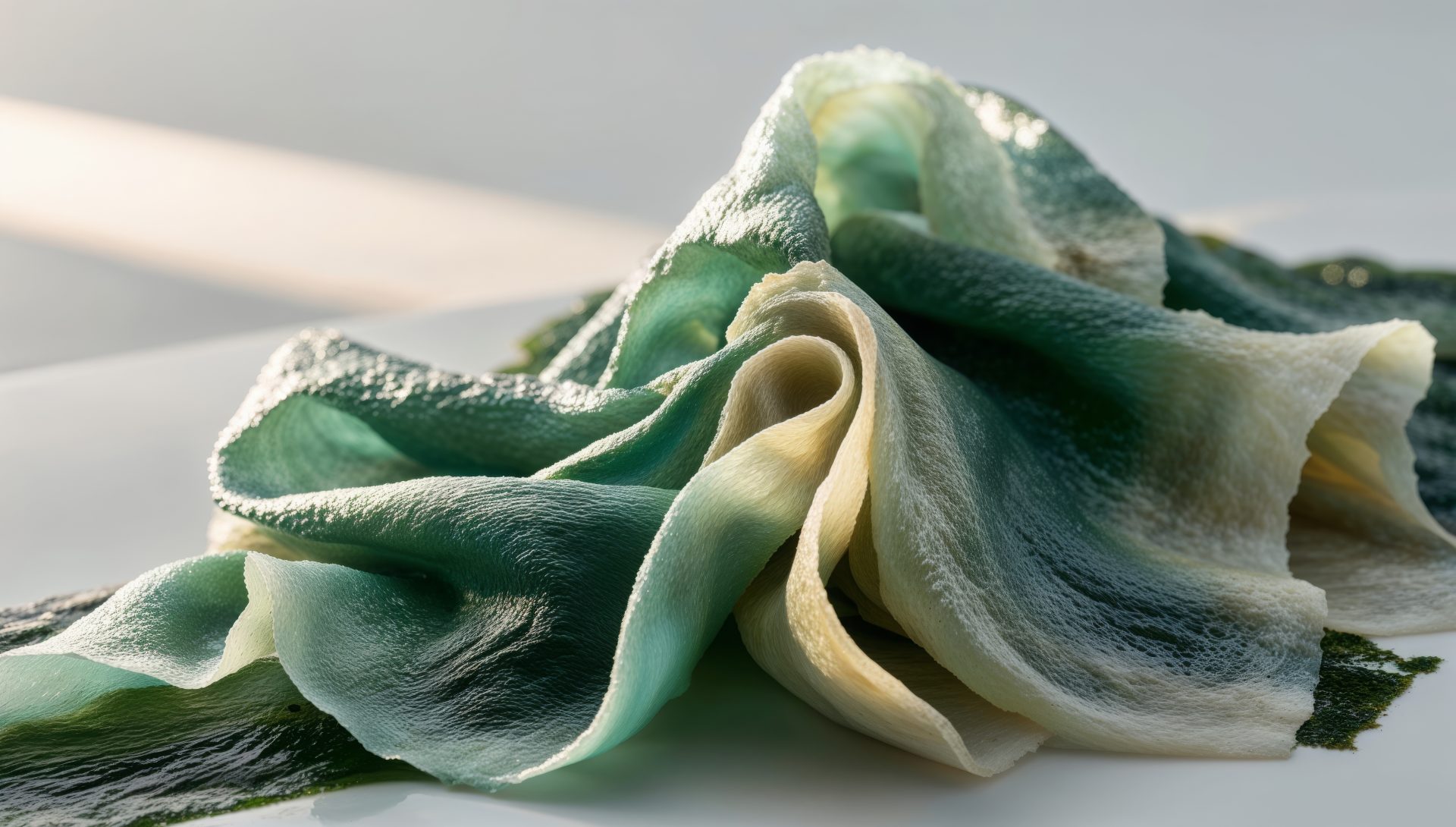
- Developing bio-based alternatives to plastic (e.g. mycelium, algae bioplastics)
- Combining natural fibres with resins for composite sustainability
It’s Not Either/Or
Natural and man-made materials each offer unique creative potential. Rather than viewing them in opposition, many artists, designers, and architects are finding innovative ways to combine them — creating work that is technically ambitious, emotionally resonant, and environmentally responsible. The choice of materials often reflects one’s personality and creative approach.
In the end, it’s about intention. The best material is the one that aligns with the message, the method, and the values of the maker, and how different materials are combined in a certain way to express those intentions.
Creative Source
Berita Olahraga
Lowongan Kerja
Berita Terkini
Berita Terbaru
Berita Teknologi
Seputar Teknologi
Drakor Terbaru
Resep Masakan
Pendidikan
Berita Terbaru
Berita Terbaru
Berita Terbaru